Basic Rules

Skincare System Charlotte Meentzen

The skin is an impression of the personality, which you can see and feel. Nothing expresses the individuality of man in such a characteristic, distinctive and always differentiated way like their skin.
On the other hand skin shows many common structural and functional features.
These points are put together in a model about kinds of skin in which the individual peculiarities of our skin can be compared in order to find the correct guideline for your personal care.

1. Cleanse
2. Deep Cleanse and Tone
3. Overnight Care
4. Daytime Protection
5. Special Treatments (Extras)

1. Cleanse
The first step in caring for your skin is cleansing. Here, the term skincare is understood in a broader sense.
In particular, one must cleanse the face, neck and neckline area to remove environmental dirt and scaly skin clotted through perspiration and skin oil, as well as any residual make-up.
Skin cleansers thus have to remove fat and water soluble substances from the skin. Pure water, however, cannot do this.
A cleansing lotion is best suited for healthy skin, whether normal, dry or oily. lt consists of a fine dispersion of oily substances in water and contains ingredients which allow the water to moisten the skin and its dirt so that it can then be cleansed.

2. Deep Cleanse and Tone
Cleaning your skin with various kinds of cleansing lotions is a mild skincare routine. Now facial toners containing alcohol can do their work.
They ensure a mild, yet effective, deep cleansing. The amount of alcohol (ethanol) is regulated by the different types of skin.
lt quickly evaporates, thereby refreshing and energising the skin.

3. Overnight Care
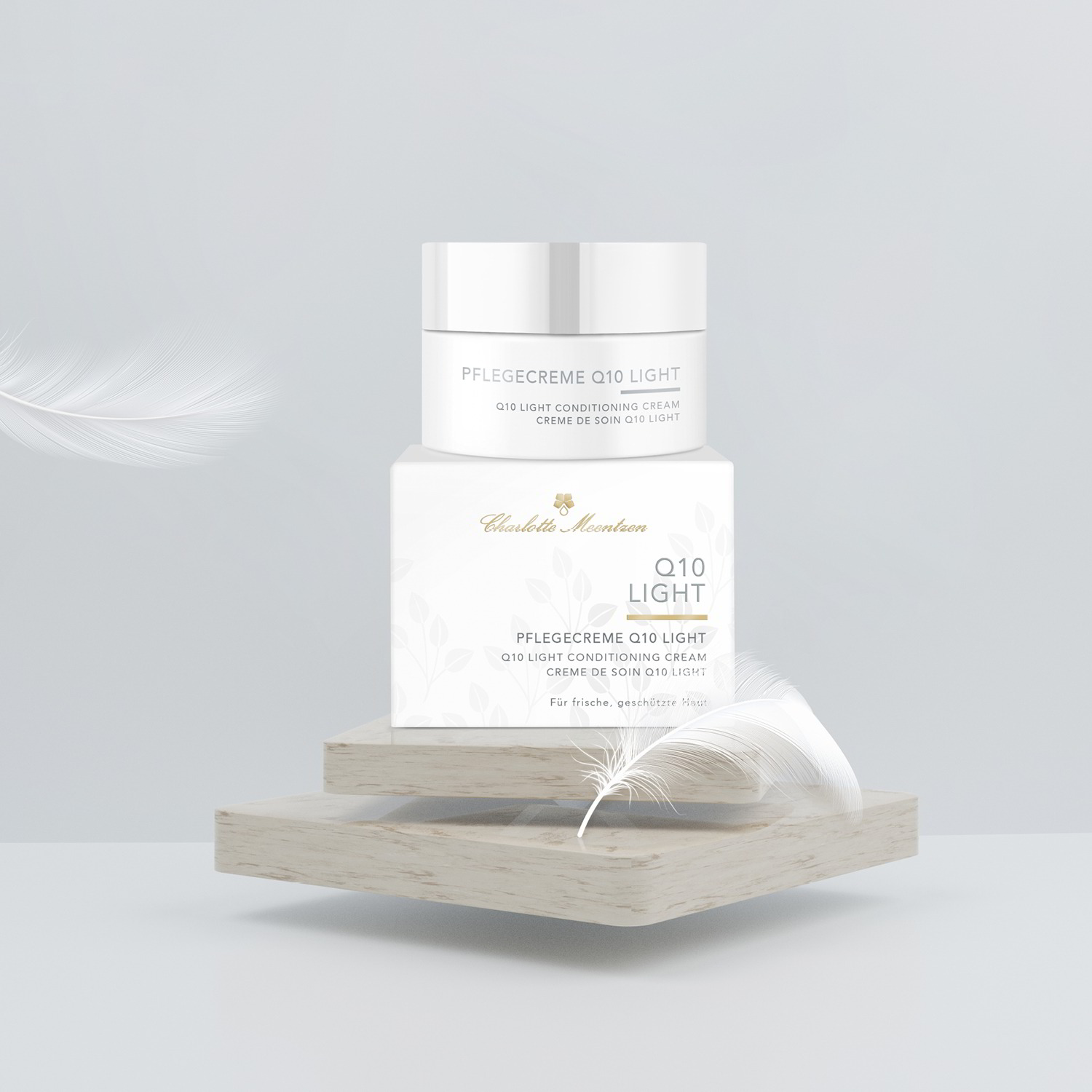
Skin care, in a narrow sense, usually means providing the skin with water, oil and active ingredients combined in a special preparation known as cream. This can be a firm dispersal of water in oily substances. (These fatty ingredients are also known as lipids.) This is called a water-in-oil emulsion.
A cream made from such an emulsion is referred to as a greasy cream or night cream. lt shines on the skin which is usually not a problem at night.
These types of creams are excellent in providing the skin with moisture and oil. They help to tone the skin leaving it feeling soft, smooth and supple.
In particular, dry skin and mature skin require a greasy cream which is usually applied overnight. The cream film allows moisture and lipids to effectively penetrate the skin.
Furthermore, this intensive overnight care ensures that the active ingredients in the creams have sufficient time to reach the deeper skin layers and positively influence their function.

4. Daytime Protection
During the day, your skin, depending on its type, requires special protection. The environment, both outdoors and indoors, mainly influences the moisture of the skin which is usually reduced during the day.
The purpose of day creams, also called matt creams, is to help the skin retain moisture or provide added moisture. Those which provide a lot of moisture are known as moisturising creams. Most of these creams for daytime protection consist of an oil in water emulsion (o/w emulsion) i.e. a dispersion of lipids in water which does not cause shiny skin.
These day creams ensure that the stratum corneum is kept in a natural, swelled condition which is required for soft and smooth skin.

5. Special Treatments (Extras)
You should treat your skin to a little extra care at regular intervals. Choose a special treatment which is right for your skin type. This may be an energising, firming cream mask or an active ampoule treatment.